Our Priorities
Supporting Point Douglas
Point Douglas faces real challenges, and I believe residents deserve honesty about them, along with a clear sense of the work being done to address them. Here's where my focus has been, and where it's headed.
Poverty & Chronic Homelessness
Poverty and chronic homelessness have had an exponential impact on Point Douglas over the last six years, especially this past year, as the Northern Manitoba fires displaced many First Nations people to Winnipeg. The city is facing a real crisis: drug overdoses, fentanyl poisoning, and severe mental health challenges are affecting our community every day. The old neighbourhood of Point Douglas, right beside the Exchange District, continues to have one of the lowest poverty rates in all of Canada, where 1 in 4 children live in poverty, and 75% of our homeless population are Indigenous.
Point Douglas already carries a disproportionate share of the city's social responsibility. Within a compact area, our neighbourhood includes three shelter systems, a detox and detention facility, a high concentration of service providers, and two of Winnipeg's largest encampments. Residents and business owners experience the cumulative impact of these services every single day.
There is another path forward to support and heal our relatives, one that must include stronger investments in culturally appropriate, wraparound supports through initiatives like the Your Way Home Strategy, increased access to detox beds and compassionate intervention, and more proactive investment in youth education and prevention. The City of Winnipeg has already implemented a number of initiatives to improve public safety and support vulnerable residents, including enhanced outreach partnerships, the Community Crisis Response initiative, neighbourhood action teams, encampment response protocols, and investments in public space maintenance. The City also recognizes the need to keep improving coordination, responsiveness, and the accessibility of public spaces for all users.
I remain committed to ensuring that your voices are heard and reflected in these discussions, and I will continue to advocate for a process that is transparent, inclusive, and respectful of the residents and businesses directly impacted.
Affordable Housing
Affordable housing continues to be the number one priority in Winnipeg, whether that means 55+ senior complexes, rent geared to income social housing, or rehabilitating derelict housing stock in our older neighbourhoods. Working with the City's property planning department, the Province of Manitoba's Housing Minister, and the federal CMHC Housing Accelerator Program, this work has to continue if we're going to tackle the homelessness and affordability crisis together.
Owners of vacant buildings in Winnipeg will soon have access to two new programs designed to encourage redevelopment of their properties. Vacant buildings negatively impact our communities: they increase fire risk, create safety hazards, and attract illegal activity. The new Renovation Fee Waiver and Vacant Building Exemption programs will support owners who are taking steps to repair, redevelop, occupy, or remove these buildings, giving them practical incentives to bring their properties back into use.
Every vacant building that gets redeveloped, occupied, or removed is a real step toward safer, stronger, and more vibrant communities for Winnipeggers.
Transit
The city's Transit Master Plan has been genuinely challenging for residents to navigate. Every few months, routes are adjusted and buses reallocated to areas of higher demand, and I've heard directly how much these changes have affected seniors' ability to get to and from grocery stores and shopping malls.
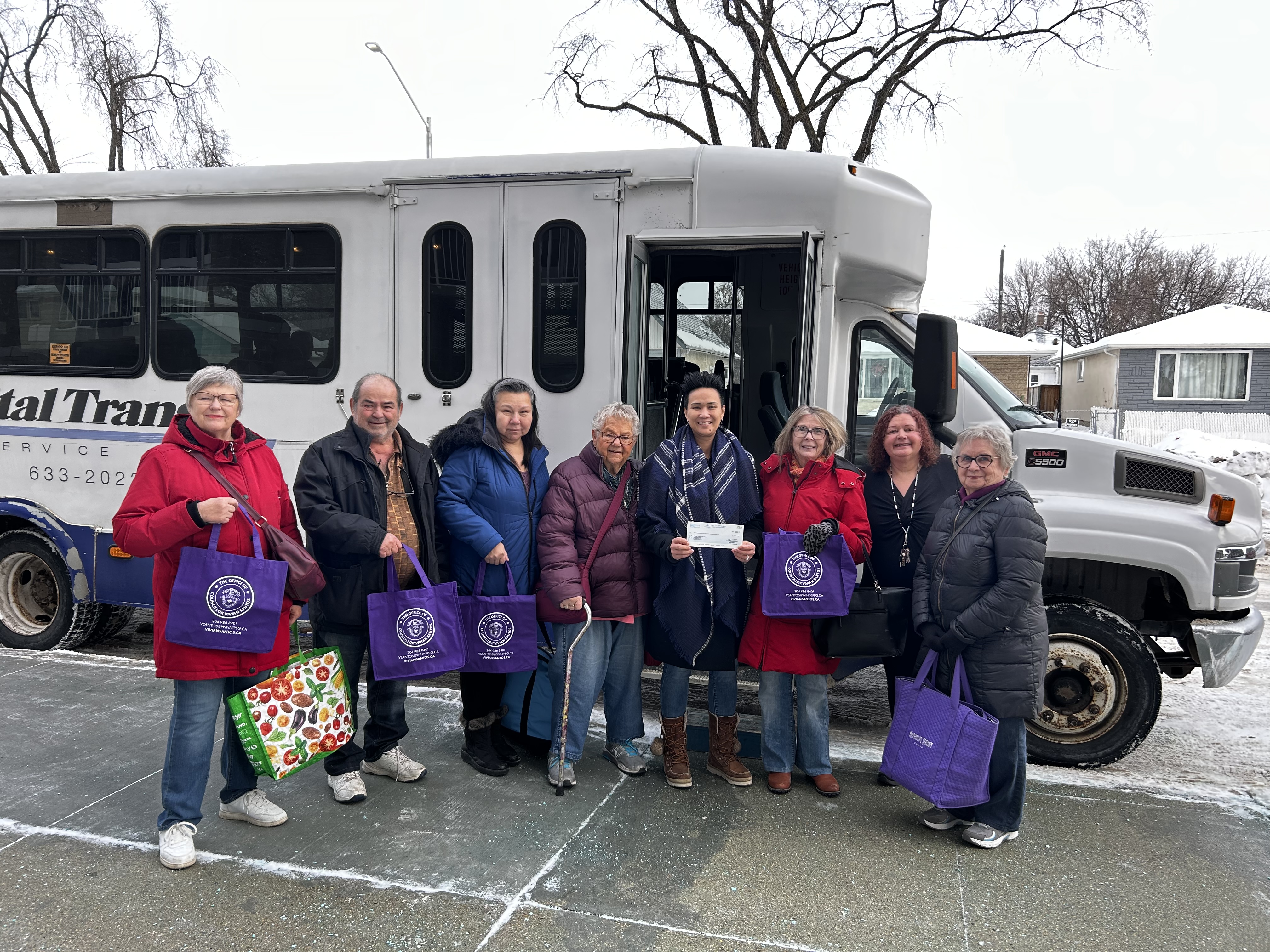
To help bridge that gap, I'm currently subsidizing a door to door transit bus service for seniors in the Burrows and Keewatin Inkster neighbourhoods, running for 12 months starting in September 2026. I'll continue working with the City's Transit Department to review bus routes near 55+ complexes and social housing complexes, and to push for increased transit hours in these areas so seniors have reliable access to the services they depend on.
Active Transportation & Multi-Use Pathways
Active transportation infrastructure has been lacking in the northwest quadrant of the city for years. Residents have had to rely on vehicles to get to and from downtown, and meeting our climate action targets means investing in active trails that connect every community to it.
Investment in active transportation is about more than building pathways. It creates real opportunities for residents to walk, cycle, wheel, and connect with their community while reducing dependence on vehicles. Every neighbourhood deserves access to safe transportation options, quality recreational spaces, and public amenities that support a healthy, active lifestyle.
Hydro Corridor Phase 2 A new multi-use pathway running from Church to Selkirk, parallel to Fife and running through to McNichol Street. Construction begins summer 2026. Secured: $3.0 million
Westland Rails to Trails Working alongside Dr. Lloyd Axworthy, MLA Malaya Marcelino, and community partners, we continue exploring how to transform the former CN rail corridor between Alexander Avenue and Bannatyne Avenue West into a multi-use active transportation pathway. The vision: a safe, accessible connection linking Brooklands to Omand's Creek, and ultimately to Polo Park and other destinations across the city.
Arlington Bridge After 110 years of continuous repair, the Arlington Bridge has reached the end of its useful life. Council has approved $17 million for decommissioning and removal, plus an additional $5 million to begin design work on a new bridge. An agreement with Canadian Pacific Kansas City Railway (CPKC) to facilitate the work is being finalized, with decommissioning happening in two stages. The first stage, focused on removing the south portion of the bridge from Logan Avenue to midway into the CPKC yard, will take place over the next six months.
As this work moves into its next phase, I'll continue advocating for a modern, accessible replacement bridge, one that reconnects residents, supports active transportation, and strengthens the links between the North End, Point Douglas, and the rest of our city. The new bridge would be built in approximately the same footprint, but meet today's safety, design, and accessibility standards. Construction of the new bridge remains unfunded, and securing that funding will be a continued priority.
Moving forward, together
These priorities represent the areas where Point Douglas needs the most support, and where I've focused my advocacy at City Hall. I'll keep this page updated as funding, timelines, and community consultations progress.
Have thoughts on any of these priorities? [Contact me] to share your feedback.